
Author: Tanuparna Sanyal

  • 5 Effective Exercises to Strengthen Your Knees

    5 Effective Exercises to Strengthen Your Knees

    Incorporating knee exercises into your daily routine will improve the strength of your knees.

    Knee pain can prevent you from enjoying your favorite activities. The knees allow us to perform daily activities such as climbing, walking, and running. They also bear 40% of our body weight when standing and 150% when we are walking. For your knees to remain healthy and perform optimally, a physical therapist may recommend knee strengthening exercises to prevent injury and pain caused by aging, stress, arthritis, stiffness, and swelling of the knees.

    Incorporating knee exercises into your daily routine will improve the strength of your knees. Knee strengthening exercises are a great non-invasive way to recover from arthritis and knee pain.

    Here are a few knee exercises that target knee muscles for more flexible and stronger knees. Before you start you can begin by walking in place for 10-minutes to warm up. Here are five exercises to help you get started.

    1. The Seated Knee Extension

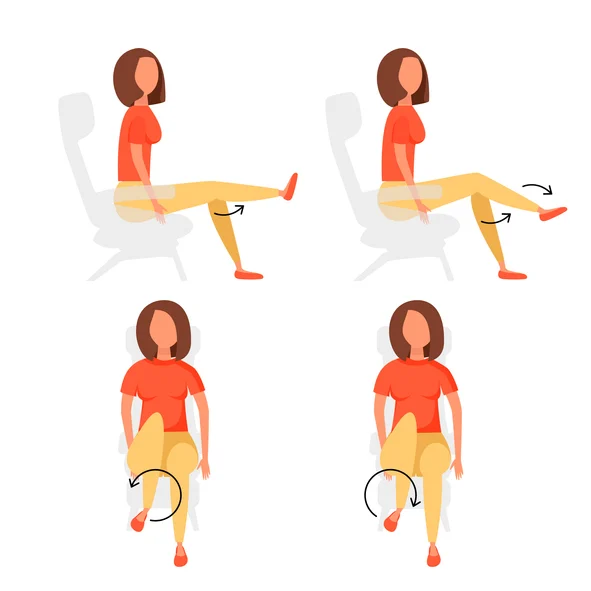
    The seated knee extension targets quadriceps, which are the muscles that help you straighten your knees. Working your quadriceps prevents or eliminates pain from your kneecaps.  Seated Leg Extension

    • Sit on a bench or chair with your shoulders back and down
    • Place your feet on the floor and hands on your thighs
    • Lift your left leg slowly to the level of your hips
    • Hold for five seconds
    • Place the foot back on the floor without locking your knees
    • Perform this ten times for each leg.

    2. The Standing Knee Flexion

    This exercise strengthens your hamstrings, which are the muscles at the back of your thighs. It also boosts flexibility and knee balance. Standing Knee Bend

    • Stand behind the back of a chair or bench
    • Rest your arms on the chair or bench for balance
    • In a 1-2-3 count, bend your leg as you can comfortably manage

    Keep the supporting knee slightly bent as you lift the working leg

    • Hold for approximately 5 seconds
    • Return to the starting position in a 1-2-3 count
    • Rest for 30 seconds and repeat the movement for each leg

    3. Heel and Calf Raises

    This exercise is a simple exercise that strengthens your calf and knees and boosts your knees’ support and stability.

    • Stand with your feet flat on the floor in front of a wall for support
    • Spread your legs shoulder-width apart
    • Raise both heels off the floor and stand on your toes
    • Hold for 6 seconds
    • Lower your feet back to the floor
    • Repeat ten times

    With time, you can raise one foot at a time. Remember to keep your back straight, and do not lock your knees.

    4. Single-Leg Dip

    single leg dip exercises the hamstrings and quadriceps for balance, knee strength, and joint stability. 

    • Stand between two chairs placed on the sides of your body with their backs next to your arms
    • Place your hands on the backs of the chairs Leg Dip
    • Lift your left leg slightly from the ground 
    • Slowly bend down, with your supporting knee forming a 90-degree angle
    • Hold for 5 seconds
    • Return to position
    • Repeat with your right leg

    Keep your back straight, and do not lean back while doing the exercise.

    5. Wall Squats

    Wall squats are great for your knees, as they build strength and stability in muscles and tissue supporting the knee joints.

    • Stand facing 2 feet away from the wall 
    • Place your legs shoulder length apart
    • Move your back down the wall, bending your knees to a 65% angle as if you are sitting on a chair
    • Hold for 20 seconds
    • Slowly get back to the standing position
    • Repeat

    Perform the exercise slowly, and don’t let your knees bend further than your toes.

    When to Consider Physical Therapy

    If you have been experiencing chronic knee pain or had knee surgery, consider a short-term rehabilitation facility to support your healing process.

    At Church Home LifeSpring, we are committed to providing beneficial physical therapy to our patients.  For information contact us to schedule an appointment.

  • Physical Therapy as an Alternative Remedy for Lower Back Pain

    Physical Therapy as an Alternative Remedy for Lower Back Pain

    Church Home LifeSpring is pleased to be a leader as a short-term and long-term care provider located within Macon-Warner Robins, Georgia region. 

    Many people suffer silently from lower back pain. According to the World Health Organization, 149 million days of work are lost due to lower back pain. The effects of lower back pain not only affect one’s ability to work productively it often impacts how one performs daily task.

    Lower Back Pain (LBP) can impact you at various stages in life.   Physical therapy approaches in the treatment of lower back pain show how combining active therapy and passive therapy can alleviate pain, improve functionality, and prevent the condition from worsening or reoccurring.

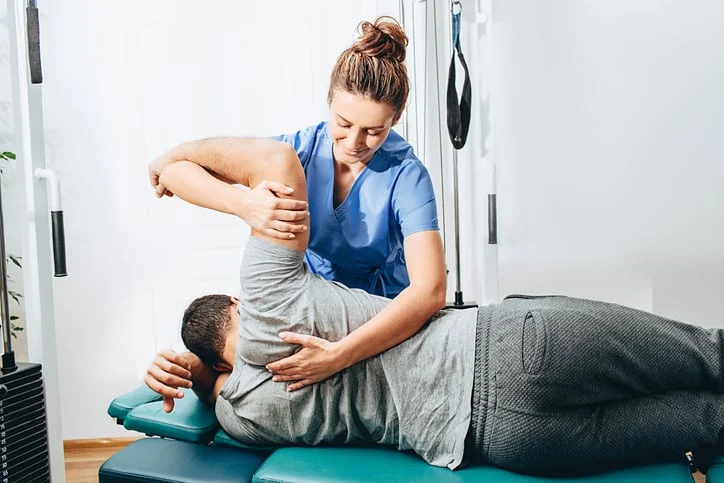
    Physical therapy has emerged as one of the most promising treatment plans. Here are a few benefits to consider if you suffer from lower back pain. Back Stretch-1

    What is Physical Therapy?

    Physical therapy is a non-invasive discipline provided by a physical therapist to deal with a chronic condition or prevent a possibility of future injury. Passive and active physical therapy form the core of every physical treatment program currently available.

    How Physical Therapy Can Eliminate Lower Back Pain

    Your doctor can recommend physical therapy for lower back pain in situations where the pain has lasted for over six weeks or recurs frequently. However, for severe cases, your doctor might recommend this therapy sooner. We review each type of physical therapy below:

    1. Passive Physical Therapy 

    Passive physical therapy refers to the type of therapeutic activities that the patient does not actively take part in-; they rely on doctors. These modalities include TENS units, ultrasound, massages, iontophoresis, and ice/heat packs.

    2. Active Physical Therapy

    Engaging in active physical therapy activities helps to rehabilitate the spine and complement the passive physical therapy activities. In most cases, the patient is advised to stick to a strict exercise program that aims to stretch and strengthen the back while lowering the impact of aerobic conditioning.

    Benefits of Physical Therapy 

    When used as a possible cure for lower back pain, physical therapy comes with benefits such as:

    • Reduce/Eliminate Pain

    Joint and soft tissue mobilization or treatments such as taping, and ultrasound can help reduce or eliminate lower back pain. Physical therapy can also prevent chronic lower back pains from reoccurring.

    • Alternative for Surgery

    Even though physical therapy can present different challenges and pain, it is nothing compared to the risk and time taken to heal from surgical wounds and potential complications. Even in the event where surgery is inevitable, physical therapy can help you to regain strength quickly.

    • Improves Mobility 

    Lower back pain can result in trouble standing, walking, or moving. Regardless of your age, physical therapy can help on this front- exercises aimed at stretching and strengthening your lower back can help restore your mobility.

    • Reduce the Risk of Falls

    Physical therapy will make you more aware of how your body moves. This will improve your balance and coordination.

    • Physical Therapy Has Some Positive Side Effects

    After your doctor has advised you to take up some physical therapy exercises, you will be very cautious during the early stages. The awareness when you walk prevents you from stumbling and falling. You also improve how you pick up objects and learn to maintain proper strength and coordination exercises. All these activities help to eliminate lower back pain.

    • Recover or Prevent Sports Injury

    Some of the lower back pain problems that people suffer are caused by contact from sports. With a good recovery or prevention exercise program, you can prevent lower back pain and continue playing effectively. On the other hand, physical therapy can help you recover from a lower back injury, allowing you to return to the field quickly.

    How Church Home Can Help

    At Church Home LifeSpring, we focus on providing professional and attentive rehabilitation care. Patients are evaluated and medical history is reviewed prior to putting a recovery plan in place.

    We invite you to contact us for both short-term and long-term rehabilitation care. Read more of Church Home LifeSpring blog articles on wellness and person-centered care.

  • Person-Centered Care: A New Approach to Service

    Person-Centered Care: A New Approach to Service

    When people come together in groups, it’s generally because they have something in common. That might lead us to think they’re mostly the same as we come to identify them as the group rather than as individuals. Years ago, senior care centers fell into that standardized, one-size-fits-all approach. They had residents needing care, and they cared for the residents all the same way. They cared for them as a group.

    Fortunately, times have changed, and a new approach to healthcare is emerging. Person-centered care focuses on the unique needs of each individual to provide the highest quality care experience.

    It sounds great in theory, of course, but what does it actually mean? To start with, it’s about communication, personalization, education, respect, comfort, teamwork, safety, and empowerment. These are just a few of the ways person-centered care can make a difference in a resident’s daily life.

    A Team Effort

    In a person-centered care environment, healthcare providers work with the resident and his or her family to create a plan that best suits the resident. Communication is key: providers listen to any concerns voiced by the resident or the family members and take ideas and suggestions into consideration. 

    Personalized Schedules

    If a resident isn’t a morning person, there’s no reason to schedule his physical therapy at 8:00am. If someone’s not hungry at lunchtime, she can choose to eat later in the day. The old approach insisted upon rigid schedules and required residents to conform regardless of their needs and preferences. Person-centered care provides flexibility to suit each individual’s lifestyle. This includes a variety of activities to encourage physical activity, socialization, creativity, and continued growth and learning according to the resident’s interests.

    Respected Values

    Every resident has different values, beliefs, likes, dislikes, and ideals. These are acknowledged and respected throughout the course of treatment in a person-centered care environment. This includes religious and moral beliefs and, whenever possible, preferences for certain foods, colors, clothing, activities, and more.

    Physical, Mental, and Emotional Health

    Each resident is a complex human being. While traditional care facilities may have focused strictly on the physical ailment, person-centered care recognizes a person’s mental and emotional needs, as well. If there is emotional or mental unrest, true health is not possible, even if the physical concern is cured. Instead of a decision being focused on a physical health condition, decisions are focused on the person.

    High-Tech, Comfortable Environments

    Perhaps you visited a grandparent or great-grandparent in an old “nursing home”: it was sterile and hospital-like and far from welcoming. No wonder these homes had a bad reputation. A person-centered care facility, on the other hand, is friendly and community-oriented. Care is taken with design and decor to create a comfortable space. The best healthcare technology is only the beginning; a truly person-centered approach includes consideration of day-to-day comforts, extensive safety considerations, and special touches. The focus is on creating an environment that feels like home.

    Empowered Residents

    Residents in a person-centered care center are encouraged to ask questions and take control of their health. Education is valued: experienced healthcare professionals are patient, compassionate, and willing to take the time necessary to help each resident understand her condition, treatment options, and course of action. Residents are empowered to take action (as is safe and appropriate) to promote their own well-being. 

    Church Home LifeSpring is proud to say we’ve been incorporating person-centered care into our healthcare approach. Studies have demonstrated, and we strongly agree, this approach leads to a more positive care experience for each resident and more positive outcomes. If you’d like to learn more about the person-centered care difference, we invite you to contact us.

  • 5 Exercises to Regain Strength and Mobility Following Knee Replacement Surgery

    5 Exercises to Regain Strength and Mobility Following Knee Replacement Surgery

    Americans are living longer than they used to, and requiring various kinds of advanced healthcare to ensure they remain active and vital as they age.  One of the health interventions which is becoming increasingly common is knee replacement surgery.  According to the American Academy of Orthopedic Surgeons, more than 600,000 knee replacement surgeries are performed in the United States each year.  That number is expected to grow to more than 3 million over the next decade. 

    Physical Therapy Will Improve Outcomes

    If you’ve had knee replacement surgery, your healthcare providers will work closely with you to ensure you heal properly and get back to your normal activities as quickly as possible.  Among other things, they’ll recommend a regimen of physical therapy, including exercises to increase muscle flexibility and strength, promote healing by increasing blood flow, and improve mobility. 

    Following are 5 simple, knee-strengthening exercises which are among the most common, and most beneficial, to help you heal after knee replacement surgery (plan on doing about 15 repetitions of each exercise several times each day for about 6 weeks):

    1. The Knee Extension: This exercise will help to strengthen your quadriceps and give your knee greater flexibility.  To perform it, you should sit in a firm chair.  While sitting, slowly raise your foot and gently extend your knee to straighten your leg.  Hold this position for 5 seconds.  Now, slowly (and without jerking) lower your foot back down to the floor.
    2. The Quad Squeeze: Your quadricep muscles are located at the front of your thigh.  These muscles help support the knee joint, so it’s important to strengthen them after knee replacement.

      To perform your quad squeezes, lie flat on your back with your legs extended.  Contract your quadricep muscles.  As you contract, keep your leg as straight as possible, attempting to press the back of the knee against the bed (don’t apply more pressure than is comfortable for you).  Hold the contraction for about 5 seconds, relax and repeat 10 to 15 times.
    3. The Short Arc Quad: Following surgery, it’s important to regain range of motion in your hip and knee. The short arc quad is designed to achieve this result.

      Again, lie on your back with your legs extended. Support your knee with a blanket or rolled towel. Your knee will be bent slightly. Slowly lift your heel off the bed to straighten your leg and hold it for about 5 seconds.  Now, lower your heel slowly back down.
    4. The Heel Slide: This exercise works the quads and the hamstring muscles.  Like the short arc quad, it’s purpose is to improve range of motion.  Lie on your back with your legs extended.  Now, gently flex your hip and your new knee by lifting the knee off the bed and sliding your foot on the bed.  While performing this exercise, be sure to keep your other leg straight.  Hold this for approximately 10 seconds. 
    5. The Ankle Pump: The ankle pump exercise is designed to strengthen your lower-leg muscles and improve blood circulation.  When you stimulate the flow of blood in your legs, you reduce the risk of swelling and, more importantly, blood clots.  To perform ankle pumps, you should lie flat on your back while keeping your legs extended.  Prop your ankle using a blanket or a rolled-up towel.  Flex your foot.  You want to push your heel away from your body with your toes pointed up and towards your body.  As with the quad squeezes, hold the flexing for about 5 minutes.

    One of the benefits of these and similar post knee-replacement exercises is that you don’t need any fancy equipment, and you can do them on your own in your home.  That said, you should always consult with an experienced physical therapist or other healthcare provider before initiating any new exercise regimen.  These are highly-trained professionals with the knowledge and experience to ensure the exercises you perform are safe and will help you regain the strength and flexibility to return to your normal activities.

    Our Goal:  To Help You Get Back to Your Life

    At Church Home LifeSpring, our focus is on improving your skills to get you back to the life and the activities you enjoyed before your surgery.  To learn more about our short-term rehabilitation, long-term care and hospice/respite care services, contact us today.

  • Why You Should Go Ahead with Hip Replacement Surgery

    Why You Should Go Ahead with Hip Replacement Surgery

    If you’re a senior, you surely remember when hip surgery was a dangerous proposition and involved a high likelihood of a long recovery. What you may not be aware of is just how much things have changed in this area of medicine. Now, the long incisions and high risks of infection are over, the amount of pain involved is significantly lower, and the recovery time is far faster. For these reasons and more, it is almost always worth it to go ahead and have your hip replacement instead of dealing with the constant pain of hip arthritis or other such problems.

    The Importance of Today’s Small Incisions

    The most obvious benefit of a smaller incision is less pain, but that is far from the only one. A smaller opening takes a shorter time to heal because the body simply doesn’t have to do as much work to seal the surgical wound. It also gives pathogens less of an opening into the body, so the chance of infection is lower. Finally, less tissue is disrupted, so fewer structures need to heal. This speeds overall recovery as well as incision healing.

    Anesthesia is Now Safer and Easier to Tolerate

    Constant improvements are made to improve the safety of anesthesia, both in terms of which drugs are used and the level of sedation provided. The days where every serious operation meant being knocked out cold with general anesthesia are over. Now, doctors have perfected the middle ground between the light, local anesthetics of the dentist’s office and the full-on knockout that was once the only option at the hospital.

    Thanks to these improvements, it is likely that you will receive a “regional block” such as an epidural to stop sensations from your hips and legs without truly knocking you out. Don’t worry – the pain is completely blocked, and you’ll still be given enough of a sedative that you might not even remember the operation. What’s different is that your body’s major systems won’t be so deeply subdued. This improves safety, speeds your time in the recovery room, and reduces side-effects like nausea. You’ll also regain your senses faster when the anesthetic wears off.

    You Aren’t Stuck in the Hospital For Long

    Anyone who has had to endure a long stint in the hospital knows that the faster you get out, the better it is from a mental standpoint. Thanks to insurance companies clamping down on hospitals that never seem to want to let people out, you no longer have to fear being “kept prisoner” if you go in. Many hip replacement hospitals now consider 5 days to be a long stay!

    You Can Still Get Post-Op Help if You Need It

    Many seniors put off operations because they fear difficulty in taking care of themselves after an operation. If this describes you, you can now rest easy. By making use of our short-term rehabilitation services here at Church Home LifeSpring in middle Georgia, you’ll have everything you need to recover quickly and safely. We can help with everything from meals to your physical therapy and prescribed medications. Even better, our location does not have a “hospital” atmosphere. Instead, it is comfortable and homey while still being designed to cater to the needs of those recovering from surgical procedures.

    Here, you’ll receive competent care from people who truly know the ins-and-outs of hip replacement recovery. You’ll also get important services done for you, such as laundry and room cleaning, that help to reduce infection as well as improve your overall comfort.

    To learn more about our short-term rehab options, just contact us. We’ll be glad to explain all of the details.

  • 10 Tips for Hip Replacement Recovery for Seniors

    10 Tips for Hip Replacement Recovery for Seniors

    Successful recovery from hip replacement surgery hinges upon a comprehensive recovery strategy. A proactive approach to the recovery process is especially the case for seniors, as they are particularly susceptible to infections and complications. Below are ten tips to facilitate hip replacement recovery for seniors

    1. Outline a recovery strategy before surgery: Do not wait until after your hip replacement surgery to start planning a recovery strategy. The recovery process is more likely to proceed smoothly and without incident for seniors if a comprehensive recovery plan is developed prior to surgery.
    2. Ensure that the recovery area is completely clean: A clean recovery environment plays a vital role in preventing infection. Prior to surgery, ensure that all sheets and bedding are freshly laundered and that all dirt, dust, and debris have been removed from the floor and furnishings. Thoroughly clean bathrooms and ensure that there is an ample supply of clean, lint-free towels and wash cloths.
    3. Make a commitment to attend all aftercare appointments: Follow-up care is vital to a successful recovery. Failure to participate in physical therapy sessions and post-surgical medical care appointments can delay recovery for seniors. Be sure to mark all appointments on a calendar and secure assistance with travel arrangements well in advance.
    4. Create a clear path inside the home or recovery area: A crowded, cluttered recovery environment can be hazardous to seniors after hip surgery. Conduct a complete walk-through of the home to ensure that all clutter, cables, cords, and debris have been removed from the floor. Make sure that floors are kept clean of spillage and moisture to help prevent slips and falls.
    5. Exercise extreme care when changing dressings or bandages: In many cases, a family member, friend, or caregiver will provide assistance with dressing changes. If possible, caregivers should receive instructions on cleaning the incision and surrounding area from a trained medical professional prior to the patient’s discharge.
    6. Take all medications as directed: This is especially important for seniors who are already taking multiple prescription medications. Special attention should be paid to the consumption of pain medications. Failure to take pain medications with sufficient frequency can lead to discomfort and a miserable recovery process, while overconsumption of pain medication can foster dependence.
    7. Resist the urge to do too much too soon: Maintaining a realistic view of the recovery process is vital to a safe recovery. While it may be tempting to want to try to navigate steps, drive, or travel, seniors must proceed with caution in order to reduce the risk of injury or complications. 
    8. Postpone sexual activity until after a successful recovery: Engaging in sexual activity too soon following hip replacement surgery may hinder the recovery process. In general, specialists recommend waiting six to twelve weeks before engaging in sexual intercourse after surgery.
    9. Strive to maintain your overall health: Recovery from hip replacement surgery is optimized when seniors remember to focus on maintaining all aspects of their physical and mental well-being. Remember to coordinate with the patient’s primary care provider and seek medical care promptly if any signs of physical illness or depression arise. 
    10. Don’t be afraid to ask for help: Seniors should be encouraged to seek help from loved ones and caregivers when pain, depression, and illness arise following hip replacement surgery. Seniors should also have immediate access to their medical care providers in case complications arise.

    Please contact us for more tips to help seniors experience a prompt recovery from hip replacement surgery. Our team of professionals is familiar with the challenges facing seniors who are recovering from surgery. We look forward to providing seniors with the support and guidance they need to enjoy a speedy recovery and regain their full mobility.

  • Recovering After Open Heart Surgery

    Recovering After Open Heart Surgery

    Many people have open heart surgery every year. Although it is a life-saving technique used to repair or replace arteries, repair damages to the heart, implant medical devices, or even replace the heart with a donor heart, it is a major operation that requires the chest to be opened and for a machine to take over the actions of the heart so the muscle can remain still for the surgeon to work. Naturally, this requires a recovery process that can take a few weeks or even months after your time in the hospital.

    WebMD outlines several aspects to the open heart surgery recovery process:

    Wound Care

    A doctor can explain how to care for the wound; in general, it must be kept dry and clean. Rehabilitation specialists can perform the required cleaning and monitoring for you, so you don’t have to worry about whether or not you’re getting it right. They will recognize a separation in the wound and know when drainage is excessive, and they can help you get the correct care if you run a fever or experience a popping sound in your breast bone when you move.

    Pain Relief

    A prescription for pain medication will help you manage most of it. Exercise can diminish the stiffness and soreness that can be common if your surgeon needed your leg veins as grafts in a heart bypass surgery. The skilled therapists at an open heart surgery recovery facility can help you develop an appropriate exercise routine that will aid your recovery without straining your recently repaired heart.

    Activity

    Your rehabilitation team can help you identify appropriate activity and slowly increase the intensity and duration according to your health and progress. Therapists also offer motivation and encouragement to stick with the process, which can be challenging after a few weeks. 

    Diet

    A healthy diet is key to staying well and recovering from open heart surgery or any other operation or illness. Rehabilitation specialists can help you choose the right foods and develop a plan for you to follow, so you don’t have any of those days when you run out of groceries or when you think, “I don’t know what to make!” For inpatients, you don’t need to think about meals at all! It’s all taken care of for you.

    Emotional Well-Being

    Recovering from open heart surgery requires you to slow down. For several weeks, you might not be able to live the lifestyle you were used to, since you might be experiencing some discomfort and you won’t be able to drive, lift heavy objects, or stand in one place for more than 15 minutes. This can take a toll on your emotions, which is natural, but by knowing it could happen, you can take some steps to overcome it.

    Talk with your rehabilitation therapists about how you feel. They can offer support and advice on ways to boost your morale, including short visits with friends, hobbies, and funny movies. Simply being a part of the rehab program in a heart surgery recovery facility puts you in a positive, encouraging environment surrounded by caring, compassionate professionals and other people who are going through similar medical experiences.

    Rest

    Sleeping can be challenging for some people after surgery. However, not getting enough sleep can result in irritability, apathy, and impaired memory, which won’t help you in your recovery process. Your rehabilitation specialists can offer guidance on developing a routine that helps you get a good night’s rest. In an inpatient experience, therapists can help you avoid daytime napping that could interfere with nighttime sleeping, and the routine of the facility can help develop a positive sleep routine, as well.

    In many cases, you or a loved one can perform some of the post-surgery care, but if you are unable to do so, an inpatient rehabilitation facility might provide the solution. Even as an outpatient, having the assistance of professionals at a rehab facility can help you speed recovery and avoid setbacks. At Church Home, our goal is to help you achieve the best recovery outcome in the least amount of time with the latest technology and compassionate caregivers. Contact us if we can help you determine whether inpatient or outpatient recovery is best for you, or to help you start your open heart surgery recovery process.

  • Stroke Rehabilitation: What to Do In The Aftermath

    Stroke Rehabilitation: What to Do In The Aftermath

    In a 2016 report, the American Stroke Association revealed that over 700,000 people have strokes every year in the U.S., of which 75% are the first the patient has ever had. Recovery from a stroke varies from patient to patient, and it is often the type of care they receive after being released from the hospital that makes the most positive impact on their future. Although some patients may return to their lives with ease, others will require short-term or long-term care options, and learning how to choose a care program effectively can simplify the transition.

    Planning For Discharge

    Before a patient is even ready to leave the hospital, staff at the location will be assessing that person’s home life and other environmental factors to determine how (and if) they can be released. For example, if the patient lives alone without immediate kin or resides in a remote area with little of their community nearby, finding a care facility to help them get back to normal may be the best option. 

    According to the National Stroke Association, there are 5 different types of rehabilitation care facilities, all which service different needs:

    1. Acute Care: This type of care is administered in a hospital, with many different types of rehabilitation options available. Those who are at risk for complications and need attentive care to continue their recovery are the most likely candidates for this type of inpatient rehab.
    2. Sub-Acute Care: While still provided as an inpatient option, sub-acute care is conducted in a rehabilitation ward where nurses provide daily basic care and some rehabilitation activities. This service is often reserved for those with severe disabilities caused by their stroke.
    3. Long-Term Care: For those who require constant nursing assistance but are stable, long-term care is optimal. With skilled nurses and rehabilitation activities at least 2 days a week, this type of treatment is a safe way to keep patients on the road to recovery.
    4. Outpatient Care: Patients who can care for themselves at home find outpatient care to be useful. Usually, these facilities are referred to someone if they are able to get themselves to the appointment, and can occur both in the hospital, itself, or in an outpatient rehabilitation facility.
    5. Home Health Care: For those who are cleared of major health risks but are unable to leave their home for rehabilitative services, home health care can bring recovery techniques to the patient. Home health care techniques are used as needed, but may be scheduled out in advance.

    When To Ask For Help

    When it comes to family, putting someone you love and care about into a care facility can seem heartless and difficult. However, patients who require a high level of care or specialized equipment can be at a specific disadvantage if kept at home. Consider the quality of care you can give to a patient who is being released from the hospital, and ask yourself if you are able to give them everything they need in order to make a recovery or live comfortably. Outside of basic financial concerns, be sure to discuss your patient or loved one’s needs in detail with your doctor to ascertain the specific level of care they will require. Ask yourself questions, such as how much free-time you are willing to dedicate to caring for them, and make a decision that will favor both you and the patient in the long run.

    At Church Home LifeSpring, both long-term and short-term patients can find exquisite comfort and care through our attentive staff. We are committed to providing your loved ones with state-of-the-art rehabilitation facilities and a plethora of relevant services for our patients to engage in. Our mission is to find the best solution possible, while making those in our care feel at home. Contact us for more information on providing loving, long-term and short-term rehabilitation services.

  • Choosing the Right Stroke Rehabilitation Center

    Choosing the Right Stroke Rehabilitation Center

    Picking the Right Post Stroke Rehab Center

    A stroke is a life-altering event experienced by nearly 800,000 people in the United States every year. Amidst all the stress and uncertainty, it can seem overwhelming to try to choose the right stroke rehabilitation center, but it’s an important part of ensuring the best possible recovery outcome for the patient. 

    Recovering From a Stroke

    Stroke rehabilitation should begin as soon as possible to help the patient recover from or improve upon any disabilities caused by the stroke, which could include paralysis (full or partial) or weakness on one side of the body, as well as problems with speech, emotions, memory, attention span, and judgment. Stroke patients might also suffer from depression.

    However, stroke rehabilitation is not all about recovering the skills that were lost. In some cases, it might mean learning to cope with the changes to the brain and the body after the stroke, or adjusting to changes in the patient’s home life.

    Mayo Clinic outlines a variety of techniques and therapies that might be used in a stroke rehabilitation center, including:

    • Physical Activities: muscle strengthening, coordination exercises, range-of-motion exercises, use of walking aids, isolation of the weak limb.
    • Cognitive and Emotional Activities: speech therapy, counseling, medications.

    The specific therapies used with each patient depend upon the severity of the stroke and the person’s ability and determination to improve; it is noted that the best chance of improvement accompanies activity that “…is willful, repetitive and task specific.” The length of the process will vary from person to person; some exercises might need to be continued throughout the patient’s life to maintain the improvements he or she has experienced. Complete recovery is not always possible, but nearly all patients will see some degree of improvement through a rehab program. 

    Choosing the Right Stroke Rehabilitation Center

    Stroke rehabilitation centers that offer the right combination of knowledge, training, compassion, equipment, and resources provide a positive atmosphere in which to overcome what may be one of the greatest challenges of the patient’s life. This is a personal decision, and the ideal solution will be different for each patient. There are a few important considerations to keep in mind when choosing a stroke rehabilitation program.

    Convenience

    Is the rehab center located near you? If you will be driving there regularly, it needs to be accessible. Long drives on a near-daily basis will become exhausting for both you and your loved one.

    Inpatient or Outpatient Needs

    Your loved one’s doctor can help determine what kind of care is needed to start the recovery process. For a severe stroke, around-the-clock care and extensive rehab may be required. In other cases, outpatient care could be enough.

    Cost

    Your insurance might cover the cost of rehabilitation. If not, there are other options, and the facility has knowledgeable representatives to guide you through the process. Consider a not-for-profit center to ensure the focus is on recovery and ongoing high quality of life for the patients rather than high profits for the organization.

    Experience and Reputation

    The rehabilitation center has high ratings and a long list of testimonials from happy patients. It might also hold awards or other recognition for being a top-notch facility. 

    Comfort and Technology

    State-of-the-art equipment and techniques are used in a comfortable, inviting space. Patients feel safe and welcome, trusting in the expertise of the therapists and other professionals.

    Compassion and Care

    The professionals at your chosen stroke rehabilitation center have extensive training and experience, of course, but it’s also important that they are passionate about what they do. Visit with the staff and the care professionals before making your choice, and make sure you feel good about leaving your loved one’s care in their capable, compassionate hands.

    We want you to find the right stroke rehabilitation center for your loved one as much as you do. We are here to make this process as simple as possible, so please contact Church Home if we can answer any questions for you.